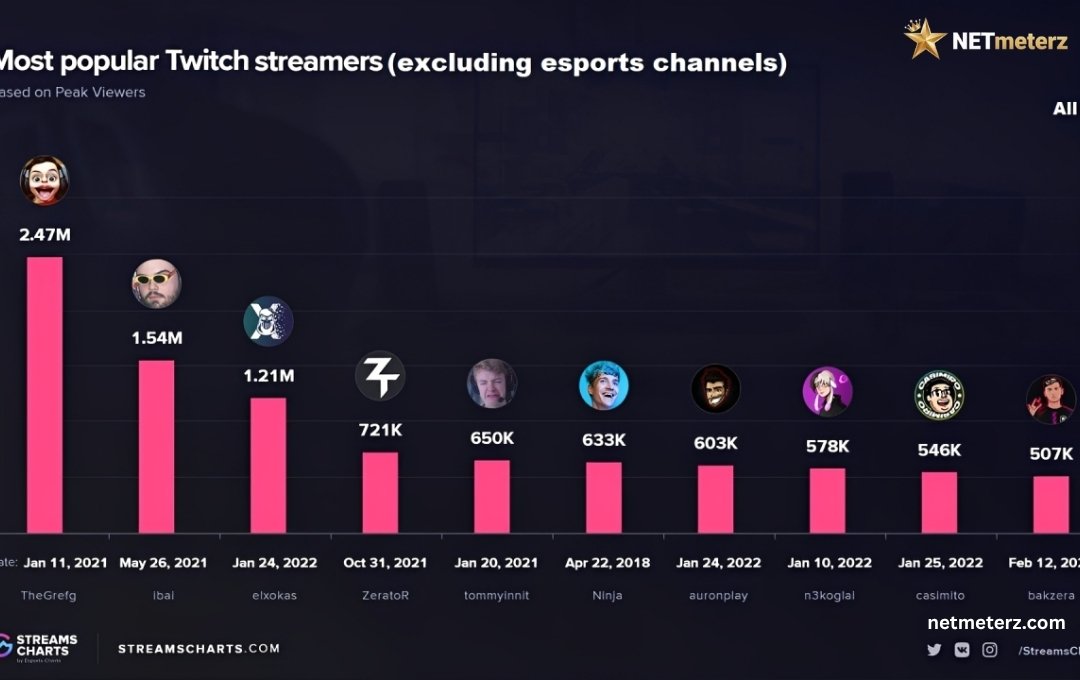
A twitch streamer salary can range from $50 a month to over $100,000, depending on subscribers, sponsorships, and ad revenue. This article is built for aspiring creators, fans, and researchers curious about real streaming income. You’ll walk away understanding exactly how streamers earn, and what it actually takes to get paid.
Would you risk your career on a platform that pays some creators pennies? You scroll past Twitch streams daily. Behind that screen, real money moves fast.
Some streamers barely clear rent. Others buy mansions from one channel. The gap comes down to one thing: how twitch streamer salary actually works, and most people get it completely wrong.
How Twitch Streamers Make Money
Most viewers assume streaming income comes from one place. In reality, a working streamer is running several small businesses at once, and each one behaves differently.
Subscriptions and the Subscriber Revenue Split
Subscriptions are the backbone of most channels. Viewers pay a recurring monthly fee, starting at $4.99, with higher tiers at $9.99 and $24.99, in exchange for emotes, ad-free viewing, and chat badges. The Twitch subscriber revenue split determines how much of that fee actually lands in the streamer’s pocket.
The default split for Twitch Partners starts at 50/50, with subscriptions beginning at $4.99 at the lowest tier and rising to $9.99 or $24.99 at higher tiers. That baseline used to look different for a handful of top creators, who negotiated individual 70/30 deals in Twitch’s early years. Twitch later confirmed that the vast majority of streamers earn 50 percent of subscription revenue, with the platform keeping the other half.
What changed the game more recently is the Plus Program, which replaced the old flat-split model entirely.
Under the Plus Program, streamers no longer sit at a fixed revenue split. Instead, they earn Plus Points every time a recurring or gifted subscription lands on their channel, and hitting certain point thresholds unlocks a better split.
| Plus Level | Revenue Split (Streamer/Twitch) | Points Needed | Duration to Qualify |
| Level 1 Plus | 60/40 | 100 Plus Points | 3 consecutive months |
| Level 2 Plus | 70/30 | 300 Plus Points | 3 consecutive months |
There’s one notable exception to this structure. Music-focused creators fall under a separate 50/50 split designed to compensate rights holders and labels, a cut some DJs on the platform refer to as the “DJ Tax,” and it noticeably limits their earning potential compared to gaming or IRL channels.
Twitch Ad Revenue Share
Ads are the least predictable line item for most channels, but they’ve grown more meaningful thanks to a newer program built specifically around them.
Streamers who run three minutes of ads per hour can qualify for the Ad Incentive Program, which unlocks a 55 percent ad revenue split and gives channels with steady viewership a more predictable monthly cushion. Outside that program, ad rates depend heavily on account status. Affiliates typically see CPMs between $1 and $3, while Partners can negotiate $2 to $5 or higher thanks to their larger, more engaged audiences and access to priority support.
Twitch Bits Revenue
Bits function as Twitch’s built-in tipping currency. Viewers purchase them and “cheer” them into chat during a stream, and the payout math is refreshingly simple.
Twitch pays a flat $0.01 for every Bit cheered in a channel. That means a viewer cheering 500 Bits translates to $5 in the streamer’s pocket. Bits rarely make up the bulk of a channel’s income on their own, but they add a steady trickle of revenue during hype moments, raids, and community events.
Twitch Donation Income
Separate from Bits, many streamers accept direct tips through third-party tools like StreamElements or Streamlabs. This donation income isn’t processed or split by Twitch at all, so a streamer keeps the full amount minus whatever processing fee the payment platform charges. Because these tools let viewers attach a message that reads on stream, donations tend to spike during emotional or celebratory moments and are often the first income source a brand-new streamer sees before they ever hit affiliate status.
Sponsorship Deals Income
Once a channel builds a consistent, engaged audience, sponsorship deals income often eclipses everything else combined. Brands pay flat fees for dedicated segments, logo placement, or product integrations, and these deals are negotiated entirely outside Twitch’s revenue-sharing system. A mid-sized streamer with a loyal niche audience can sometimes out-earn a much bigger channel simply because their viewers are more likely to buy what’s being advertised.
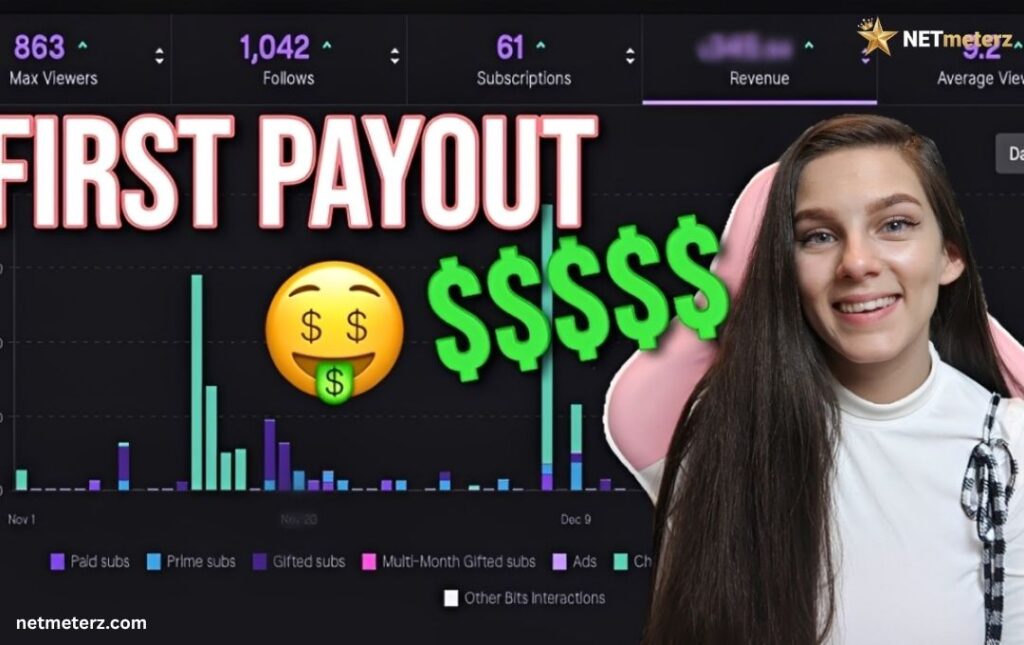
Twitch Affiliate Earnings vs Twitch Partner Payout
Affiliate and Partner status aren’t just badges; they unlock fundamentally different earning ceilings.
Reaching Affiliate status requires 50 followers, 500 total minutes watched over the last 30 days, seven unique broadcast days, and an average of 3 concurrent viewers. Partner status demands far more consistency and reach, but it comes with real financial upside.
| Feature | Twitch Affiliate | Twitch Partner |
| Base sub revenue split | 50 percent | Up to 70 percent through Plus |
| Ad rates | $1 to $3 CPM | $2 to $5+ CPM |
| Bits access | Yes | Yes |
| Sponsorship support | No direct support from Twitch | Access to sponsorship opportunities |
| Monetization depth | Basic | Advanced, with priority support |
The practical takeaway: Twitch affiliate earnings are a proof-of-concept stage, not a destination. Most people treating streaming as a side hustle stay here indefinitely, while anyone aiming for full-time income needs to push toward Partner and, eventually, the higher Plus tiers.
Average Twitch Streamer Salary: What the Numbers Actually Look Like
There’s no single average Twitch streamer salary because the platform is really two separate economies: a massive base of hobbyists and a small tier of full-time professionals.
Small Twitch Streamer Income
For anyone just starting out or streaming a few hours a week, expectations need to stay grounded. Typical monthly earnings at this stage range from roughly $50 to $300, and that figure fluctuates heavily month to month depending on viewer activity and discoverability. At this level, income usually comes from a mix of Bits, the occasional subscriber, and direct viewer donations rather than any single dominant source.
Full-Time Twitch Streamer Earnings
Full-time Twitch streamer earnings look completely different once a channel builds a stable, returning audience. Consistency matters more than raw talent here; streamers who show up on a predictable schedule tend to convert casual viewers into paying subscribers far faster than sporadic broadcasters.
| Channel Size | Followers | Estimated Subs | Estimated Monthly Income |
| Small (established) | 300 – 1,000 | 100 – 500 | $1,000 – $5,000 |
| Medium (popular) | 1,000 – 5,000 | 500 – 2,000 | $5,000 – $25,000 |
| Large (very popular) | 5,000 – 20,000 | 2,000 – 10,000 | $25,000 – $100,000 |
| Mega (top tier) | 20,000+ | 10,000+ | $100,000+ |
Note that these figures represent total channel revenue before Twitch’s cut, third-party payment fees, and taxes, not raw take-home pay.
Twitch Subs to Dollars Conversion
Because sub tiers and revenue splits vary, converting subscribers to dollars isn’t a single fixed number. Here’s a rough breakdown at the standard 50 percent split, before any Plus Program bonus kicks in.
| Sub Tier | Viewer Price | Streamer Payout (50/50 Split) |
| Tier 1 | $4.99 | approximately $2.50 |
| Tier 2 | $9.99 | approximately $5.00 |
| Tier 3 | $24.99 | approximately $12.50 |
At Level 2 Plus (70/30), that same Tier 1 sub jumps from $2.50 to roughly $3.49, which is exactly why chasing Plus Points becomes a real strategic priority once a channel is close to qualifying.
Twitch Streamer Income Breakdown by Source
No two channels earn the same way, but a healthy, diversified stream typically pulls from several buckets rather than leaning on one:
- Subscriptions, usually the most predictable recurring source
- Bits and cheers, small but frequent during active streams
- Ad revenue, especially for channels enrolled in the Ad Incentive Program
- Direct donations through third-party tipping tools
- Sponsorship deals and brand integrations
- Affiliate links and product recommendations
- Repurposed content, such as clips turned into YouTube Shorts or Reels
The streamers with the most stable careers are rarely the ones relying on a single income source. A bad month for subs can be offset by a well-timed sponsorship, and that kind of redundancy is what separates a hobby from a career.
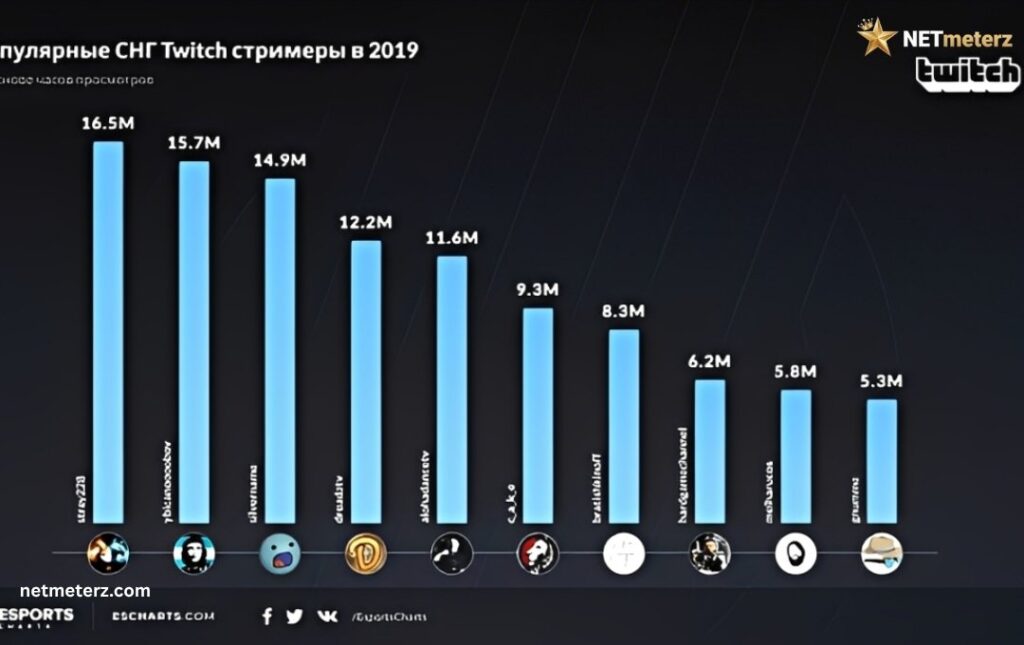
Highest Paid Twitch Streamers 2026 and Their Net Worth
At the very top of the platform, income stops looking anything like the tables above. Figures here are industry estimates rather than confirmed numbers, since neither Twitch nor individual streamers publish exact earnings, but the general range gives a useful picture of what’s possible at the highest level.
| Streamer | Estimated Net Worth |
| Ninja | $20 million – $25 million |
| Tfue | $10 million – $15 million |
| Shroud | $8 million – $12 million |
| Dr Disrespect | $4 million – $6 million |
| TimTheTatman | $2 million – $4 million |
These figures rarely come from Twitch subscriptions alone. Sponsorships, merchandise lines, esports investments, and cross-platform deals typically make up the majority of net worth at this tier, with pure platform subscription revenue often being a smaller slice than fans assume.
Twitch vs YouTube Streamer Pay
Creators weighing platforms often ask which one actually pays better, and the honest answer is: it depends what you’re optimizing for.
Twitch’s subscription model rewards consistency and community loyalty. A dedicated audience of a few thousand regulars can produce steady, recurring income even without viral moments. YouTube’s ad-driven model rewards reach and discoverability instead, paying out based on views rather than direct viewer loyalty, and it tends to favor creators who can convert live streams into evergreen video content that keeps earning long after the broadcast ends.
In practice, many full-time creators no longer treat this as an either-or decision. Multi-platform streaming, going live on Twitch while repurposing highlights for YouTube, has become the standard strategy precisely because it hedges against the weaknesses of either single platform.
Twitch Streamer Tax and Income
Regardless of platform, Twitch income is taxable earnings, not a hobby payout, and treating it otherwise is one of the most common mistakes new streamers make. A few points worth keeping in mind:
- Twitch typically issues a 1099 form once a streamer crosses a certain earnings threshold in a given year
- Income from Bits, subs, ads, donations, and sponsorships all count as taxable earnings, even when they arrive through different platforms or payment processors
- Streamers operating as independent contractors are generally responsible for self-employment tax in addition to standard income tax
- Legitimate business expenses, such as equipment, internet costs, and software subscriptions, can often be deducted, which is why many full-time streamers work with an accountant once income becomes consistent
- Setting aside a percentage of every payout for taxes from day one avoids a painful surprise at filing time
Because tax treatment varies by country and even by state, this is one area where a quick consultation with a tax professional pays for itself many times over.
The Bottom Line
The gap between a small Twitch streamer income and the highest paid Twitch streamers isn’t about luck alone; it’s about how many income streams a creator manages to stack, how consistently they show up, and how far they push into Twitch’s tiered payout structure. Subscriptions build the foundation, Bits and ad revenue add texture, and sponsorships are usually what turn a decent side income into a genuine full-time career.
Also Read About: Nickmercs Net Worth 2026: How Much Is Nick Kolcheff Really Worth
Frequently Asked Questions
How much can a Twitch streamer earn?
Twitch streamer salary varies widely, from a few hundred dollars monthly for beginners to millions annually for top streamers through subs, bits, ads, and sponsorships.
Can you make $1000 a month on Twitch?
Yes, a solid Twitch streamer salary of $1000 monthly is achievable with around 300-500 active subscribers, consistent streaming, bits, and modest sponsorship income.
How much money is 50,000 views on Twitch?
Twitch doesn’t pay per view like YouTube, so 50,000 views alone won’t build a real twitch streamer salary; ad CPM typically yields $50 to $250.
How many viewers on Twitch to make $10,000 a month?
Reaching a $10,000 monthly twitch streamer salary typically needs 2,000 to 5,000 engaged subscribers, strong viewer retention, active bits usage, and reliable sponsorship deals.
Who is the top 5 richest streamer?
Ninja, Tfue, Shroud, Dr Disrespect, and TimTheTatman rank among the richest streamers, earning far beyond typical twitch streamer salary through sponsorships, merchandise, and investments.
How much money is 1 million views on Twitch?
Twitch monetizes ads, not raw views, but 1 million views could translate to roughly $1,000-$5,000 in ad revenue, boosting overall twitch streamer salary significantly.
Conclusion
Twitch streamer salary depends entirely on strategy, not luck. Beginners typically earn $50 to $300 monthly through bits and small tips, while established channels with 1,000+ subscribers reach $1,000 to $5,000. Full-time streamers pushing 5,000+ subs and Plus Program status can hit $25,000 to $100,000 monthly, combining subscriptions, ad revenue, and sponsorship deals.
Top-tier earners like Ninja and Tfue built multi-million-dollar net worths by diversifying beyond Twitch alone into merchandise, brand deals, and cross-platform content. The biggest driver of twitch streamer salary growth is consistency, not viral moments. Streamers who stack multiple income sources, subs, bits, ads, and sponsorships, build stable, recurring earnings instead of relying on unpredictable donations. Growth comes from retention, not just reach.